Key benefits of grid independence
In today’s world, reliable access to electricity is essential for both businesses and households. However, power outages – whether caused by storms, grid instability, or infrastructure failures – can disrupt daily life, halt business operations, and even pose safety risks. Achieveing independence from the electricity grid is becoming increasingly important for anyone seeking security, continuity, and peace of mind. The most important benefits of grid independence are:
- Uninterrupted power supply: When the main grid fails, having your own energy generation and storage ensures that critical systems—like lighting, refrigeration, communications, and security -remain operational.
- Business continuity – For businesses such as hotels, restaurants, or offices, a power outage can mean lost revenue and dissatisfied customers. With independent power, operations continue smoothly, even during widespread blackouts
- Cost savings and predictability: Generating and storing your own electricity with photovoltaic panels and batteries can lower energy bills and protect against rising utility costs.
- Environmental responsibility – Using solar energy reduces reliance on fossil fuels, lowers carbon emissions, and supports a more sustainable future.
Why energy storage is crucial for hotels during summer
Energy storage is particularly vital for hotels during the summer months due to significantly increased energy consumption and operational costs. During this period, hotels typically experience full occupancy and high temeperatures, which place substantial strain on their energy supply systems. Key reasons why hotels decide to purchase energy storage systems include:
- Peak demand management: Air conditioning and cooling systems operate at maximum capacity to maintain guest comfort in rooms, common areas, restaurants and other facilities. This intense usage leads to peak energy demand, which can result in higher electricity bills. Energy storage enables charge of off-peak hours when electricity is cheaper and release of stored energy during peak times.
- Cost reduction: Electricity is a major operating expense for hotels, with air conditioning often accounting for up to 50% of total energy costs. By utilizing energy storage, hotels can reduce their reliance on expensive grid electricity during peak periods and optimize energy use, leading to substantial annual savings.
- Enhanced system efficiency and reliability: Storing cooling energy improves the efficiency, lifespan, and reliability of cooling systems. Energy storage also provides a reliable backup power source, ensuring continuous opration of critical servi es like lighting, security, and elevators during potential power outages, thereby enhancing guest satisfaction.
- Sustainability goals: Intagrating energy storage solutions supports hotels’ efforts to reduce their carbon footprint and meet sustainability goals. By relying less on fossil fuels and maximizing the use of renewable energy sources like solar, hotels can contribute to a more sustainable future, appealing to eco-conscious guests. Adopting these technlogies enhances a hotel’s eco-friendly image, attracting environmentally conscious guest and providing a competetive advantage in the hospitality market
Real-world example: Sunceco’ solution
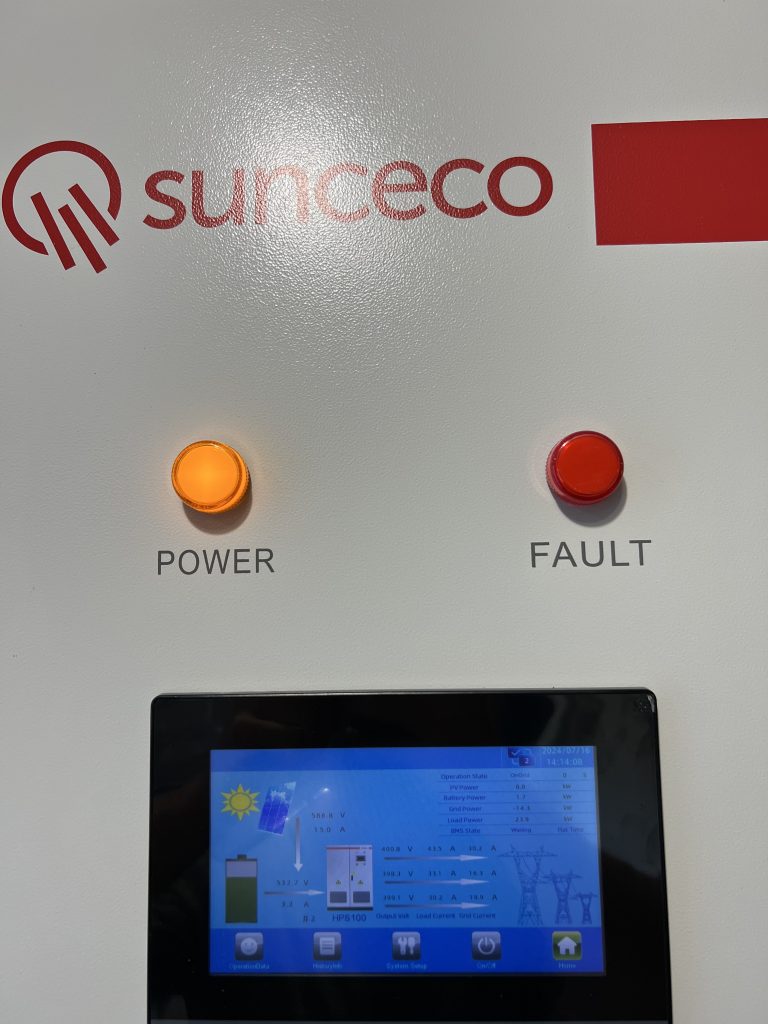
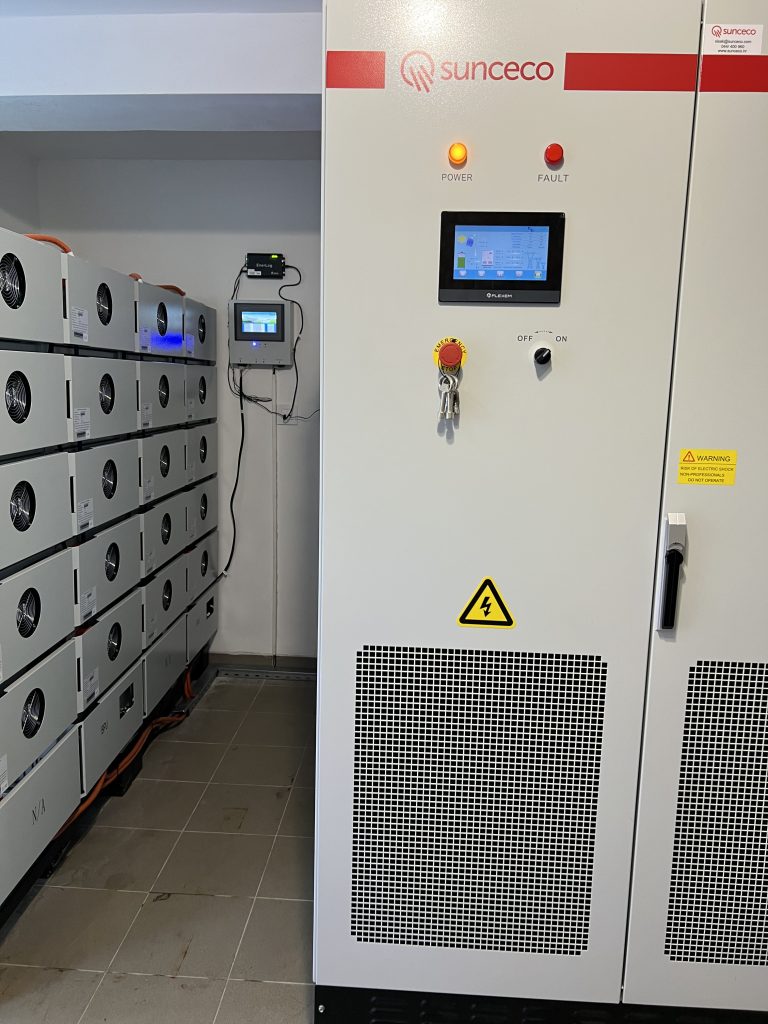
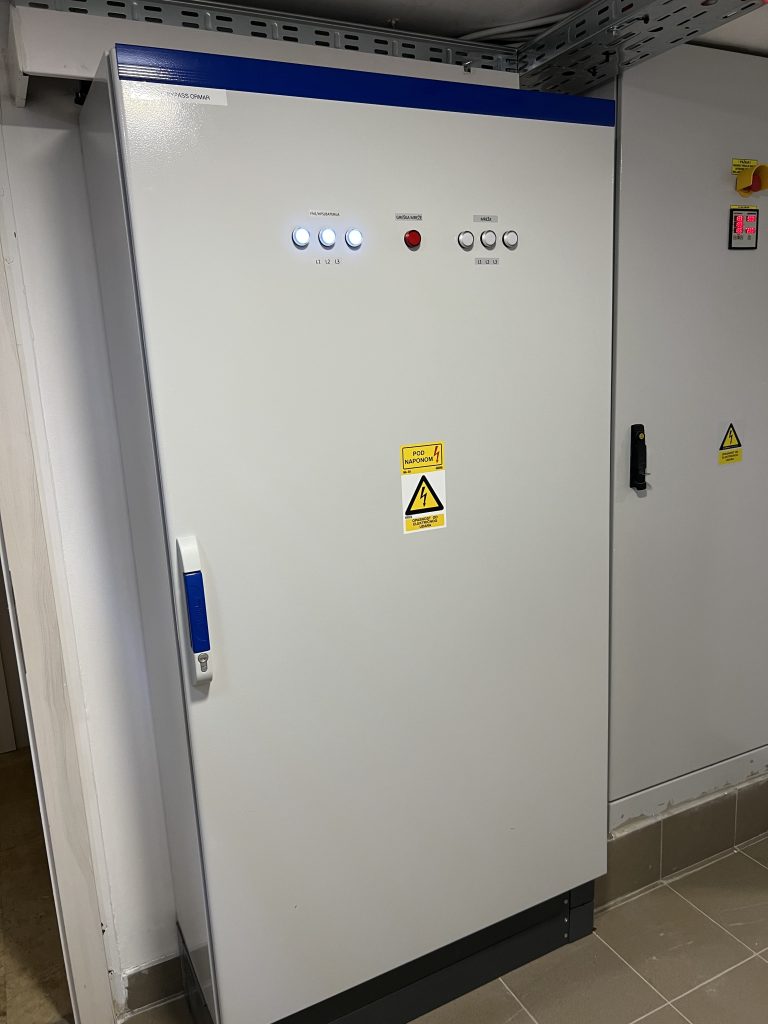
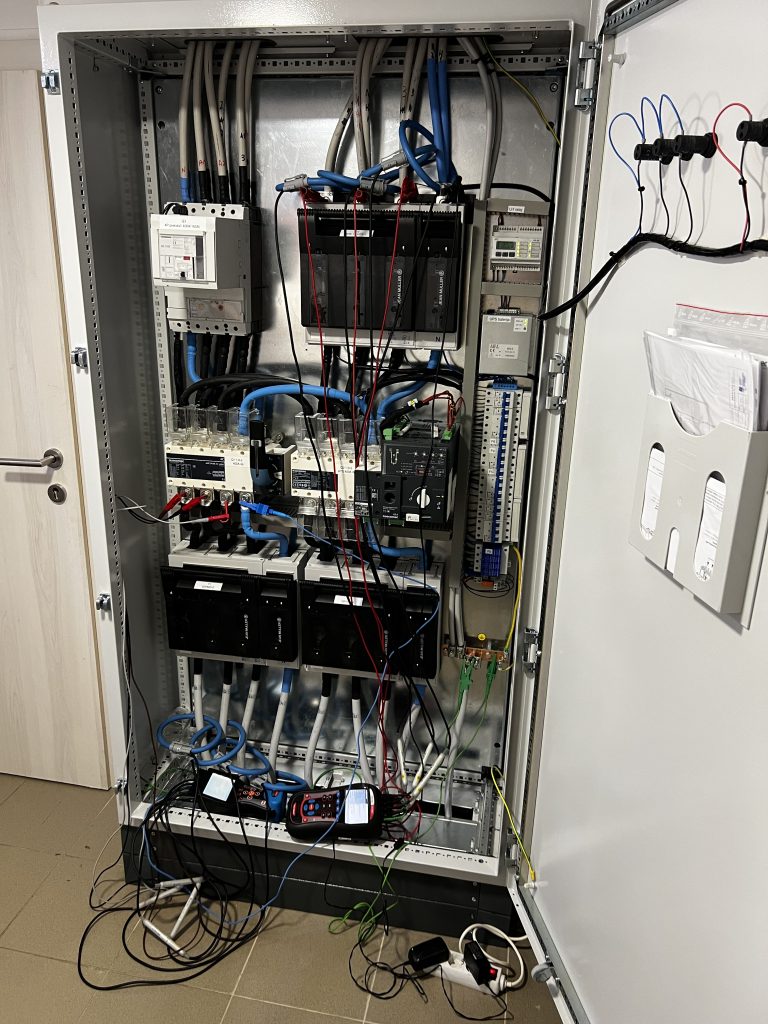
Sunceco was entrusted to build a solar power plant with integrated battery energy storage system for a hotel facing occasional grid outages due to strong winds and storms (Ablana solar project). The battery system was crucial for ensuring uninterrupted power supply, allowing the hotel to operate seamlessly, regardless of external grid conditions. Sunceco’s energy storage products are designed to integrate with photovoltaic systems, offering:
- Scalable storage capacities to meet specific needs
- Reliable backup power during outrages
- Advanced monitoring and management via online platform
Energy storage system boost guest comfort during outages by providing a seamless and reliable backup power supply that keeps essential hotel serices running without interruption. Unlike traditional diesel generators, battery-based energy storage operates silently, avoiding noise distrubances and ensuring a peaceful environment for guests. Finally, the integration of smart energy management further optimizes power use, prioritizing critical systems to enhance comfort and safety throughout the hotel.