Nigeria has 53 large-scale solar projects worth $11 billin currently underway across the country. The federal government targets 30% renewable energy by 2030 and 82% by 2050 nationally. Nigeria aims to install 209,000 megawatts of solar capacity by 2050 under its net-zero plan (source: energynews.africa)
Access to electricity
In the most popolous African country with more than 242 million people, over 85 million Nigerians are lacking access to electricity. Therefore, the Federal Government agency REA (Rural Electrification Agency of Nigeria) plays an important role in expanding access to electricity in rural communities across Nigeria.
The REA has implemented several programmes to expand energy access, including mini-grids, solar home systems, solar-powered irrigatin pumps and solar streetlights. Key initiatives include: Nigeria Electrification Programme (NEP) and the Distributed Access through Renewable Energy Scale-up (DARES). The DARES project, funded by the World Bank with $750 million, aims to provide electricity to 17.5 million Nigerians through mini-grids and standalone solar systems. It specifically targets 525,731 female-headed households, promoting gender equity in energy access. DARES is designed to drive economic growth, create jobs, improve access to essential services and enhance the quality of life of the targeted rural and under-served populations
REA has signed agreements with several renewable energy companies. Also, in partnership with the UNDP and Global Environment Facility, REA engaged several developing companies to construct mini-grids with capacities ranging from 30 kWp to 200 kWp, targeting agricultural productivity, reducing post-harvest losses and powering rural businesses.
Challenges in solar development
Despite progress, several challenges continue to hinder the delivery of reliable electricity to rural and underserved communities across Nigeria. Financial and logistical constraints remain major obstacles. The high upfront cost of renewable energy technologies, coupled with a heavy reliance on donor funding, limits the scalability and long-term sustainability of electrification projects.
Undedeveloped grid infrastructure, particularly in remote areas, make the integration of mini-grids more complex and costly. In addition, the growing challenge of electronic waste presents an emerging environmental concern. Without effective recycling and disposal frameworks, used batteries and solar panels could pose significant environmental risks. At the same time, this challenge creates opportunities for private sector investment in e-waste collection, recycling, and sustainable waste management services. Security challenges in some remote communities further complicate project implementation, increasing operational risks and limiting access to areas most in need of electricity.
Joint development with Sunceco
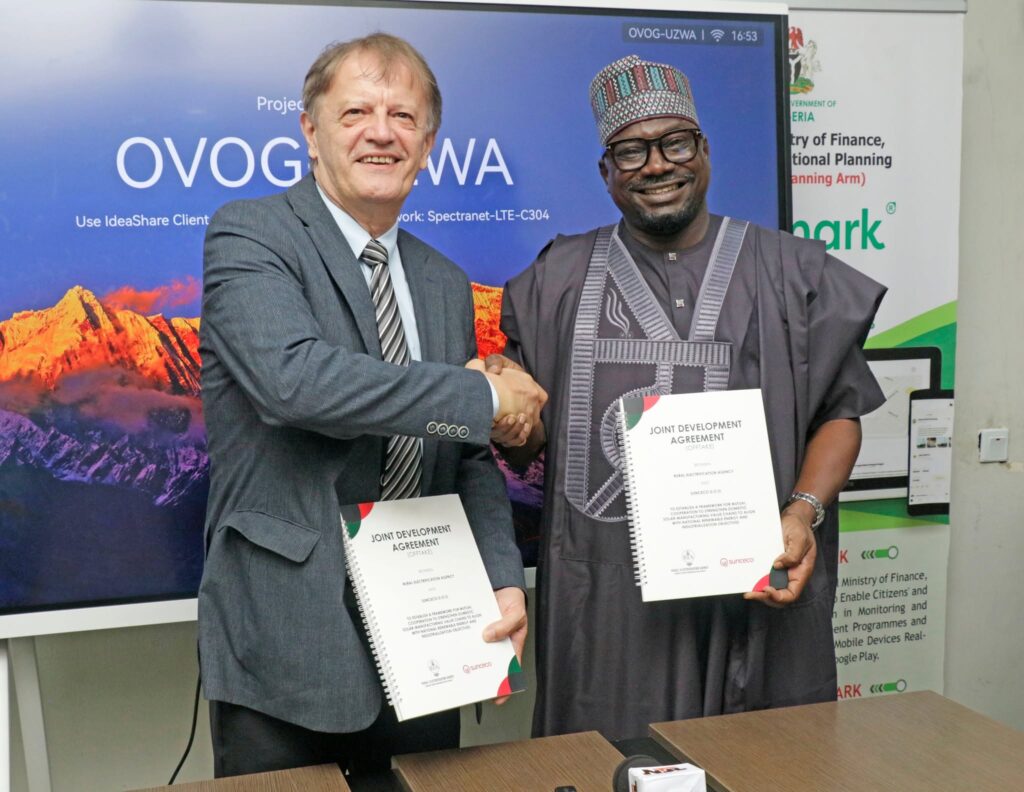
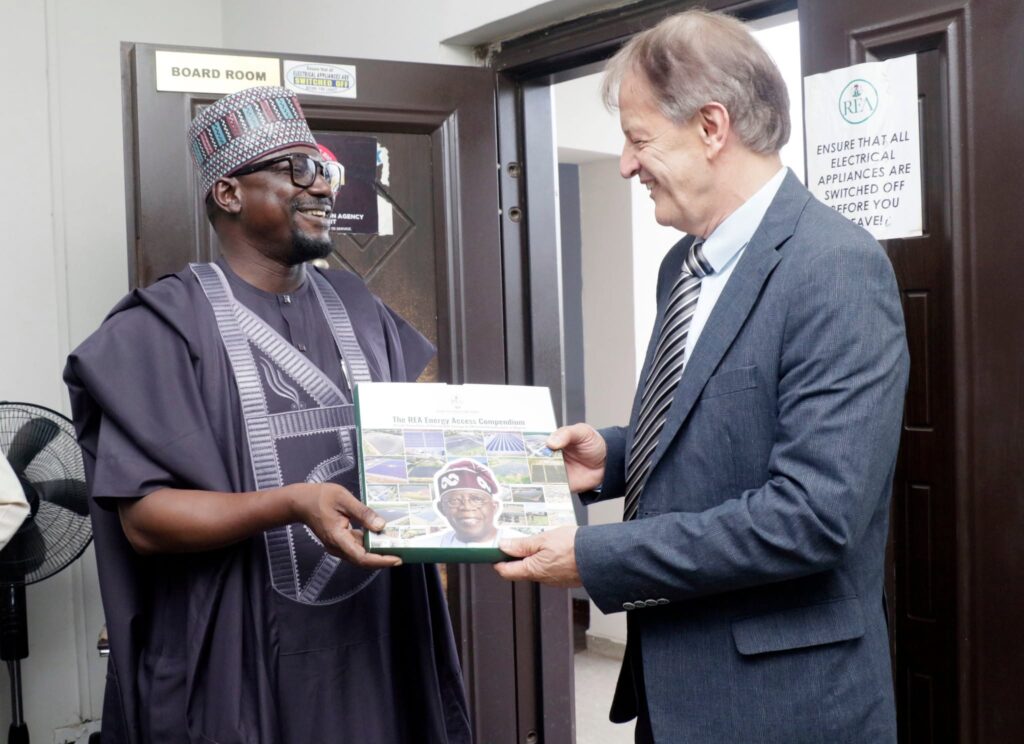
To support Nigerian path of solar development, the Rural Electrification Agency of Nigeria and Sunceco have signed a Joint Development Agreement. From photovoltaic modules and battery energy storage systems to smart energy technologies and electric mobility solutions, this collaboration opens up new opportunities for the development of Nigeria’s renewable energy.